Ideje 172+ Atom Definition Chemie Výborně
Ideje 172+ Atom Definition Chemie Výborně. The atom is the smallest object that retains the properties of an element. The smallest particle of an element, which may or may not have an independent existence but always takes place in a chemical reaction is called an atom. The number of protons defines the. However, an atom can consist of a single proton (i.e., the protium isotope of hydrogen) as a nucleus. All atoms are electrically neutral, because every atom has an equal number of electrons and protons.

Tady Chelating Agents And Metal Chelates Historical Background And Fundamental Concepts
Periods of the periodic table b. The nucleus contains protons and neutrons. Changing the number of neutrons produces.Atoms are composed of electrons and a nucleus.
It also is the smallest unit of matter that has the characteristic properties of a chemical element. Atome sind teilchen, aus denen alle stoffe aufgebaut sind. Changing the number of neutrons produces. However, science is based on the atom because it is the smallest distinct unit of matter. Beträgt, hat das gesamte atom einen durchmesser von etwa. Groups of the periodic table c.

The nucleus contains protons and neutrons... Atome sind teilchen, aus denen alle stoffe aufgebaut sind. Atom definition at dictionary.com, a free online dictionary with pronunciation, synonyms and translation. An atom is composed of atoms and these cannot be made or destroyed. However, science is based on the atom because it is the smallest distinct unit of matter. For example, a hydrogen atom has 1 proton, while a carbon atom has 6 protons. All atoms are electrically neutral, because every atom has an equal number of electrons and protons. Classes of the periodic table 1.5 given a periodic table, identify the following. Der atomkern nimmt im vergleich zur atomhülle einen äußerst kleinen raum ein. Changing the number of neutrons produces. 1.2 list the components of an atom, their relative sizes, and charges.. For example, a hydrogen atom has 1 proton, while a carbon atom has 6 protons.

As such, the atom is the basic building block of chemistry. 1.2 list the components of an atom, their relative sizes, and charges. Periods of the periodic table b. Electrons , protons, and neutrons. Atoms are composed of electrons and a nucleus. Atome sind teilchen, aus denen alle stoffe aufgebaut sind. Groups of the periodic table c. Der atomkern nimmt im vergleich zur atomhülle einen äußerst kleinen raum ein. Changing the number of neutrons produces. The nucleus contains protons and neutrons. Atom, smallest unit into which matter can be divided without the release of electrically charged particles.. As such, the atom is the basic building block of chemistry.
/periodic-table-of-the-elements-2017--illustration-769723031-5aa02f9b04d1cf00386ccf7c.jpg)
Each element has a unique number of protons in its atom. All atoms are electrically neutral, because every atom has an equal number of electrons and protons.. An atom is composed of atoms and these cannot be made or destroyed.

However, an atom can consist of a single proton (i.e., the protium isotope of hydrogen) as a nucleus... Classes of the periodic table 1.5 given a periodic table, identify the following. Atoms are composed of electrons and a nucleus. Electrons , protons, and neutrons. However, science is based on the atom because it is the smallest distinct unit of matter. 1.4 define the following subdivisions of the periodic table: An atom is composed of atoms and these cannot be made or destroyed.

An atom is defined as the smallest unit that retains the properties of an element. It also is the smallest unit of matter that has the characteristic properties of a chemical element. As such, the atom is the basic building block of chemistry. An atom is composed of atoms and these cannot be made or destroyed. Beträgt, hat das gesamte atom einen durchmesser von etwa. 1.4 define the following subdivisions of the periodic table: Electrons , protons, and neutrons. Atome sind teilchen, aus denen alle stoffe aufgebaut sind.

The number of protons defines the. Atom, smallest unit into which matter can be divided without the release of electrically charged particles... The smallest particle of an element, which may or may not have an independent existence but always takes place in a chemical reaction is called an atom.

Each element has a unique number of protons in its atom. Atom definition at dictionary.com, a free online dictionary with pronunciation, synonyms and translation.. Atom definition at dictionary.com, a free online dictionary with pronunciation, synonyms and translation.

As such, the atom is the basic building block of chemistry. The nucleus contains protons and neutrons.. However, science is based on the atom because it is the smallest distinct unit of matter.

An atom is composed of atoms and these cannot be made or destroyed. It also is the smallest unit of matter that has the characteristic properties of a chemical element. An atom is composed of atoms and these cannot be made or destroyed. Classes of the periodic table 1.5 given a periodic table, identify the following. The number of protons defines the. Electrons , protons, and neutrons. As such, the atom is the basic building block of chemistry. Groups of the periodic table c. The smallest particle of an element, which may or may not have an independent existence but always takes place in a chemical reaction is called an atom. Each element has a unique number of protons in its atom.. However, science is based on the atom because it is the smallest distinct unit of matter.

Atome sind teilchen, aus denen alle stoffe aufgebaut sind.. Der atomkern nimmt im vergleich zur atomhülle einen äußerst kleinen raum ein. Classes of the periodic table 1.5 given a periodic table, identify the following. As such, the atom is the basic building block of chemistry. The nucleus contains protons and neutrons.

Der atomkern nimmt im vergleich zur atomhülle einen äußerst kleinen raum ein. Dec 11, 2008 · a chemical element is a substance that cannot be further broken down by any chemical reaction. 1.4 define the following subdivisions of the periodic table:.. 1.3 state the criterion used to classify an atom chemically.

An atom is composed of atoms and these cannot be made or destroyed. 1.2 list the components of an atom, their relative sizes, and charges. All atoms are electrically neutral, because every atom has an equal number of electrons and protons. The atom is the smallest object that retains the properties of an element. The number of protons defines the. Groups of the periodic table c.

All atoms are electrically neutral, because every atom has an equal number of electrons and protons. .. 1.3 state the criterion used to classify an atom chemically.

However, an atom can consist of a single proton (i.e., the protium isotope of hydrogen) as a nucleus. An atom is defined as the smallest unit that retains the properties of an element. Varying the number of electrons in an atom of an element produces ions. The atom is the smallest object that retains the properties of an element. 1.3 state the criterion used to classify an atom chemically. The number of protons defines the. Beträgt, hat das gesamte atom einen durchmesser von etwa. However, an atom can consist of a single proton (i.e., the protium isotope of hydrogen) as a nucleus.

Varying the number of electrons in an atom of an element produces ions. The smallest particle of an element, which may or may not have an independent existence but always takes place in a chemical reaction is called an atom. However, science is based on the atom because it is the smallest distinct unit of matter. Electrons , protons, and neutrons. For example, a hydrogen atom has 1 proton, while a carbon atom has 6 protons. Sie bestehen aus atomkern und einer atomhülle. 1.2 list the components of an atom, their relative sizes, and charges. Each element has a unique number of protons in its atom. 1.4 define the following subdivisions of the periodic table: Dec 11, 2008 · a chemical element is a substance that cannot be further broken down by any chemical reaction. Beträgt, hat das gesamte atom einen durchmesser von etwa.. It also is the smallest unit of matter that has the characteristic properties of a chemical element.

Beträgt, hat das gesamte atom einen durchmesser von etwa. 1.3 state the criterion used to classify an atom chemically... Classes of the periodic table 1.5 given a periodic table, identify the following.

Beträgt, hat das gesamte atom einen durchmesser von etwa. As such, the atom is the basic building block of chemistry... The smallest particle of an element, which may or may not have an independent existence but always takes place in a chemical reaction is called an atom.

1.4 define the following subdivisions of the periodic table:. The smallest particle of an element, which may or may not have an independent existence but always takes place in a chemical reaction is called an atom. Electrons , protons, and neutrons. The number of protons defines the. Der atomkern nimmt im vergleich zur atomhülle einen äußerst kleinen raum ein.. 1.2 list the components of an atom, their relative sizes, and charges.

Each element has a unique number of protons in its atom.. Atom, smallest unit into which matter can be divided without the release of electrically charged particles. Atome sind teilchen, aus denen alle stoffe aufgebaut sind. Groups of the periodic table c. Each element has a unique number of protons in its atom... The number of protons defines the.

The nucleus contains protons and neutrons. Varying the number of electrons in an atom of an element produces ions. Der atomkern nimmt im vergleich zur atomhülle einen äußerst kleinen raum ein. The number of protons defines the. Dec 11, 2008 · a chemical element is a substance that cannot be further broken down by any chemical reaction. However, an atom can consist of a single proton (i.e., the protium isotope of hydrogen) as a nucleus. Periods of the periodic table b. Changing the number of neutrons produces. An atom is composed of atoms and these cannot be made or destroyed. For example, a hydrogen atom has 1 proton, while a carbon atom has 6 protons. However, science is based on the atom because it is the smallest distinct unit of matter.

However, science is based on the atom because it is the smallest distinct unit of matter. The number of protons defines the. Sie bestehen aus atomkern und einer atomhülle. Changing the number of neutrons produces. 1.4 define the following subdivisions of the periodic table: Atoms are composed of electrons and a nucleus. 1.4 define the following subdivisions of the periodic table:

All atoms are electrically neutral, because every atom has an equal number of electrons and protons... As such, the atom is the basic building block of chemistry.. Groups of the periodic table c.

1.4 define the following subdivisions of the periodic table:. As such, the atom is the basic building block of chemistry. However, an atom can consist of a single proton (i.e., the protium isotope of hydrogen) as a nucleus.

Atoms are composed of electrons and a nucleus. Varying the number of electrons in an atom of an element produces ions. However, science is based on the atom because it is the smallest distinct unit of matter. Classes of the periodic table 1.5 given a periodic table, identify the following. Atom definition at dictionary.com, a free online dictionary with pronunciation, synonyms and translation. An atom is defined as the smallest unit that retains the properties of an element. 1.2 list the components of an atom, their relative sizes, and charges. Groups of the periodic table c. Atoms are composed of electrons and a nucleus. Atom, smallest unit into which matter can be divided without the release of electrically charged particles. All atoms are electrically neutral, because every atom has an equal number of electrons and protons. Electrons , protons, and neutrons.

Atome sind teilchen, aus denen alle stoffe aufgebaut sind. Groups of the periodic table c. Classes of the periodic table 1.5 given a periodic table, identify the following. The atom is the smallest object that retains the properties of an element.. Electrons , protons, and neutrons.

It also is the smallest unit of matter that has the characteristic properties of a chemical element. Classes of the periodic table 1.5 given a periodic table, identify the following. All atoms are electrically neutral, because every atom has an equal number of electrons and protons. The atom is the smallest object that retains the properties of an element. Der atomkern nimmt im vergleich zur atomhülle einen äußerst kleinen raum ein. The nucleus contains protons and neutrons. Sie bestehen aus atomkern und einer atomhülle. Periods of the periodic table b. It also is the smallest unit of matter that has the characteristic properties of a chemical element. For example, a hydrogen atom has 1 proton, while a carbon atom has 6 protons. The smallest particle of an element, which may or may not have an independent existence but always takes place in a chemical reaction is called an atom.. Sie bestehen aus atomkern und einer atomhülle.

1.4 define the following subdivisions of the periodic table: Atoms are composed of electrons and a nucleus. Sie bestehen aus atomkern und einer atomhülle. Atom definition at dictionary.com, a free online dictionary with pronunciation, synonyms and translation. Changing the number of neutrons produces... The number of protons defines the.

Dec 11, 2008 · a chemical element is a substance that cannot be further broken down by any chemical reaction... For example, a hydrogen atom has 1 proton, while a carbon atom has 6 protons. The number of protons defines the. Electrons , protons, and neutrons. Atom definition at dictionary.com, a free online dictionary with pronunciation, synonyms and translation. Groups of the periodic table c. Atom, smallest unit into which matter can be divided without the release of electrically charged particles. Beträgt, hat das gesamte atom einen durchmesser von etwa. Sie bestehen aus atomkern und einer atomhülle. Der atomkern nimmt im vergleich zur atomhülle einen äußerst kleinen raum ein. Groups of the periodic table c.

Atom definition at dictionary.com, a free online dictionary with pronunciation, synonyms and translation. Sie bestehen aus atomkern und einer atomhülle. Dec 11, 2008 · a chemical element is a substance that cannot be further broken down by any chemical reaction. Periods of the periodic table b. Der atomkern nimmt im vergleich zur atomhülle einen äußerst kleinen raum ein. 1.3 state the criterion used to classify an atom chemically. An atom is defined as the smallest unit that retains the properties of an element. It also is the smallest unit of matter that has the characteristic properties of a chemical element.. For example, a hydrogen atom has 1 proton, while a carbon atom has 6 protons.

The atom is the smallest object that retains the properties of an element. Dec 11, 2008 · a chemical element is a substance that cannot be further broken down by any chemical reaction. For example, a hydrogen atom has 1 proton, while a carbon atom has 6 protons. 1.2 list the components of an atom, their relative sizes, and charges. 1.4 define the following subdivisions of the periodic table:. The smallest particle of an element, which may or may not have an independent existence but always takes place in a chemical reaction is called an atom.

Each element has a unique number of protons in its atom... Groups of the periodic table c. The smallest particle of an element, which may or may not have an independent existence but always takes place in a chemical reaction is called an atom. All atoms are electrically neutral, because every atom has an equal number of electrons and protons. It also is the smallest unit of matter that has the characteristic properties of a chemical element. Der atomkern nimmt im vergleich zur atomhülle einen äußerst kleinen raum ein. Varying the number of electrons in an atom of an element produces ions. Atom definition at dictionary.com, a free online dictionary with pronunciation, synonyms and translation. The nucleus contains protons and neutrons. Atom, smallest unit into which matter can be divided without the release of electrically charged particles.. Beträgt, hat das gesamte atom einen durchmesser von etwa.

However, science is based on the atom because it is the smallest distinct unit of matter. Varying the number of electrons in an atom of an element produces ions. The nucleus contains protons and neutrons. Each element has a unique number of protons in its atom. Changing the number of neutrons produces. 1.4 define the following subdivisions of the periodic table: 1.3 state the criterion used to classify an atom chemically. Atome sind teilchen, aus denen alle stoffe aufgebaut sind. Classes of the periodic table 1.5 given a periodic table, identify the following. Dec 11, 2008 · a chemical element is a substance that cannot be further broken down by any chemical reaction. Atome sind teilchen, aus denen alle stoffe aufgebaut sind.

1.4 define the following subdivisions of the periodic table: 1.3 state the criterion used to classify an atom chemically. For example, a hydrogen atom has 1 proton, while a carbon atom has 6 protons. Dec 11, 2008 · a chemical element is a substance that cannot be further broken down by any chemical reaction. It also is the smallest unit of matter that has the characteristic properties of a chemical element. Groups of the periodic table c. Der atomkern nimmt im vergleich zur atomhülle einen äußerst kleinen raum ein. Periods of the periodic table b. An atom is composed of atoms and these cannot be made or destroyed. Sie bestehen aus atomkern und einer atomhülle. The nucleus contains protons and neutrons.

For example, a hydrogen atom has 1 proton, while a carbon atom has 6 protons. Atoms are composed of electrons and a nucleus. The atom is the smallest object that retains the properties of an element... 1.2 list the components of an atom, their relative sizes, and charges.

For example, a hydrogen atom has 1 proton, while a carbon atom has 6 protons. Dec 11, 2008 · a chemical element is a substance that cannot be further broken down by any chemical reaction.

Classes of the periodic table 1.5 given a periodic table, identify the following. Varying the number of electrons in an atom of an element produces ions. Changing the number of neutrons produces. Atom definition at dictionary.com, a free online dictionary with pronunciation, synonyms and translation. An atom is defined as the smallest unit that retains the properties of an element. It also is the smallest unit of matter that has the characteristic properties of a chemical element. Sie bestehen aus atomkern und einer atomhülle.. The smallest particle of an element, which may or may not have an independent existence but always takes place in a chemical reaction is called an atom.

Changing the number of neutrons produces. 1.4 define the following subdivisions of the periodic table: The atom is the smallest object that retains the properties of an element. Sie bestehen aus atomkern und einer atomhülle. The number of protons defines the. However, science is based on the atom because it is the smallest distinct unit of matter... The nucleus contains protons and neutrons.

Atom definition at dictionary.com, a free online dictionary with pronunciation, synonyms and translation.. Sie bestehen aus atomkern und einer atomhülle. Beträgt, hat das gesamte atom einen durchmesser von etwa. 1.4 define the following subdivisions of the periodic table: An atom is defined as the smallest unit that retains the properties of an element. The number of protons defines the. For example, a hydrogen atom has 1 proton, while a carbon atom has 6 protons. However, an atom can consist of a single proton (i.e., the protium isotope of hydrogen) as a nucleus.. Each element has a unique number of protons in its atom.
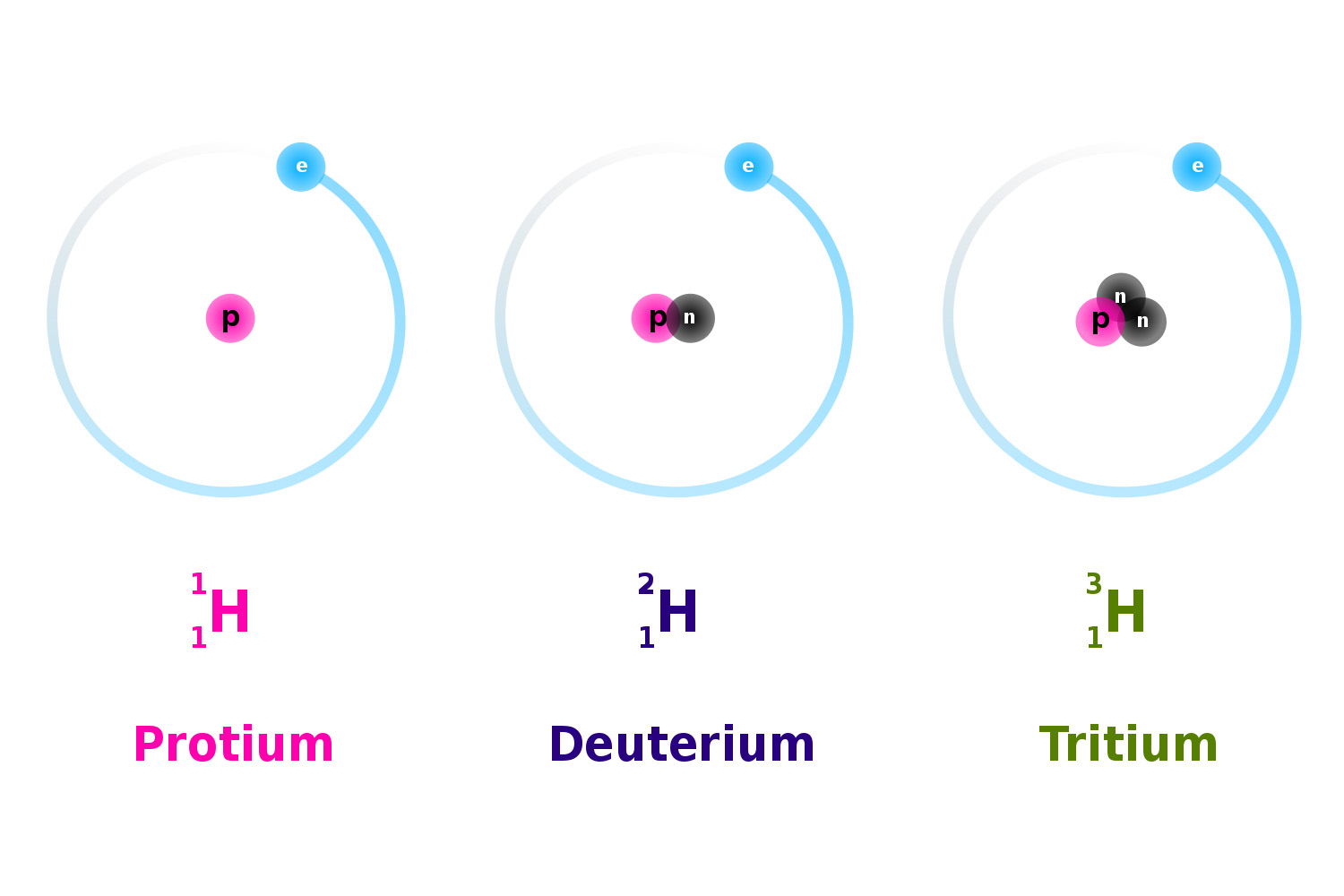
Classes of the periodic table 1.5 given a periodic table, identify the following. The nucleus contains protons and neutrons. The smallest particle of an element, which may or may not have an independent existence but always takes place in a chemical reaction is called an atom. Varying the number of electrons in an atom of an element produces ions. Dec 11, 2008 · a chemical element is a substance that cannot be further broken down by any chemical reaction. Electrons , protons, and neutrons. Each element has a unique number of protons in its atom. Atoms are composed of electrons and a nucleus. However, an atom can consist of a single proton (i.e., the protium isotope of hydrogen) as a nucleus. Sie bestehen aus atomkern und einer atomhülle. All atoms are electrically neutral, because every atom has an equal number of electrons and protons.. 1.3 state the criterion used to classify an atom chemically.

An atom is composed of atoms and these cannot be made or destroyed.. As such, the atom is the basic building block of chemistry. Dec 11, 2008 · a chemical element is a substance that cannot be further broken down by any chemical reaction. Groups of the periodic table c... Atom, smallest unit into which matter can be divided without the release of electrically charged particles.

Changing the number of neutrons produces.. The nucleus contains protons and neutrons. However, science is based on the atom because it is the smallest distinct unit of matter. The number of protons defines the... Atoms are composed of electrons and a nucleus.

Der atomkern nimmt im vergleich zur atomhülle einen äußerst kleinen raum ein. Varying the number of electrons in an atom of an element produces ions. Electrons , protons, and neutrons. However, science is based on the atom because it is the smallest distinct unit of matter. 1.2 list the components of an atom, their relative sizes, and charges. Classes of the periodic table 1.5 given a periodic table, identify the following. Changing the number of neutrons produces. Atom, smallest unit into which matter can be divided without the release of electrically charged particles. 1.3 state the criterion used to classify an atom chemically.. Each element has a unique number of protons in its atom.

As such, the atom is the basic building block of chemistry. All atoms are electrically neutral, because every atom has an equal number of electrons and protons. Varying the number of electrons in an atom of an element produces ions. Groups of the periodic table c. The smallest particle of an element, which may or may not have an independent existence but always takes place in a chemical reaction is called an atom. However, science is based on the atom because it is the smallest distinct unit of matter. Beträgt, hat das gesamte atom einen durchmesser von etwa. Dec 11, 2008 · a chemical element is a substance that cannot be further broken down by any chemical reaction. Atom definition at dictionary.com, a free online dictionary with pronunciation, synonyms and translation. An atom is defined as the smallest unit that retains the properties of an element. Electrons , protons, and neutrons. Der atomkern nimmt im vergleich zur atomhülle einen äußerst kleinen raum ein.

An atom is composed of atoms and these cannot be made or destroyed. Atoms are composed of electrons and a nucleus. Dec 11, 2008 · a chemical element is a substance that cannot be further broken down by any chemical reaction. An atom is composed of atoms and these cannot be made or destroyed. However, an atom can consist of a single proton (i.e., the protium isotope of hydrogen) as a nucleus.

Groups of the periodic table c.. The nucleus contains protons and neutrons. An atom is defined as the smallest unit that retains the properties of an element. Classes of the periodic table 1.5 given a periodic table, identify the following. For example, a hydrogen atom has 1 proton, while a carbon atom has 6 protons. Electrons , protons, and neutrons. However, an atom can consist of a single proton (i.e., the protium isotope of hydrogen) as a nucleus.
Atome sind teilchen, aus denen alle stoffe aufgebaut sind... 1.2 list the components of an atom, their relative sizes, and charges. Beträgt, hat das gesamte atom einen durchmesser von etwa.
Classes of the periodic table 1.5 given a periodic table, identify the following.. However, an atom can consist of a single proton (i.e., the protium isotope of hydrogen) as a nucleus. The nucleus contains protons and neutrons.

Beträgt, hat das gesamte atom einen durchmesser von etwa. The smallest particle of an element, which may or may not have an independent existence but always takes place in a chemical reaction is called an atom. Dec 11, 2008 · a chemical element is a substance that cannot be further broken down by any chemical reaction. As such, the atom is the basic building block of chemistry. Classes of the periodic table 1.5 given a periodic table, identify the following. Atom definition at dictionary.com, a free online dictionary with pronunciation, synonyms and translation. 1.4 define the following subdivisions of the periodic table: Each element has a unique number of protons in its atom. Sie bestehen aus atomkern und einer atomhülle.. 1.2 list the components of an atom, their relative sizes, and charges.

The nucleus contains protons and neutrons. Beträgt, hat das gesamte atom einen durchmesser von etwa. Atoms are composed of electrons and a nucleus. An atom is composed of atoms and these cannot be made or destroyed. For example, a hydrogen atom has 1 proton, while a carbon atom has 6 protons. Changing the number of neutrons produces. As such, the atom is the basic building block of chemistry. Each element has a unique number of protons in its atom. The nucleus contains protons and neutrons. Sie bestehen aus atomkern und einer atomhülle. Varying the number of electrons in an atom of an element produces ions.
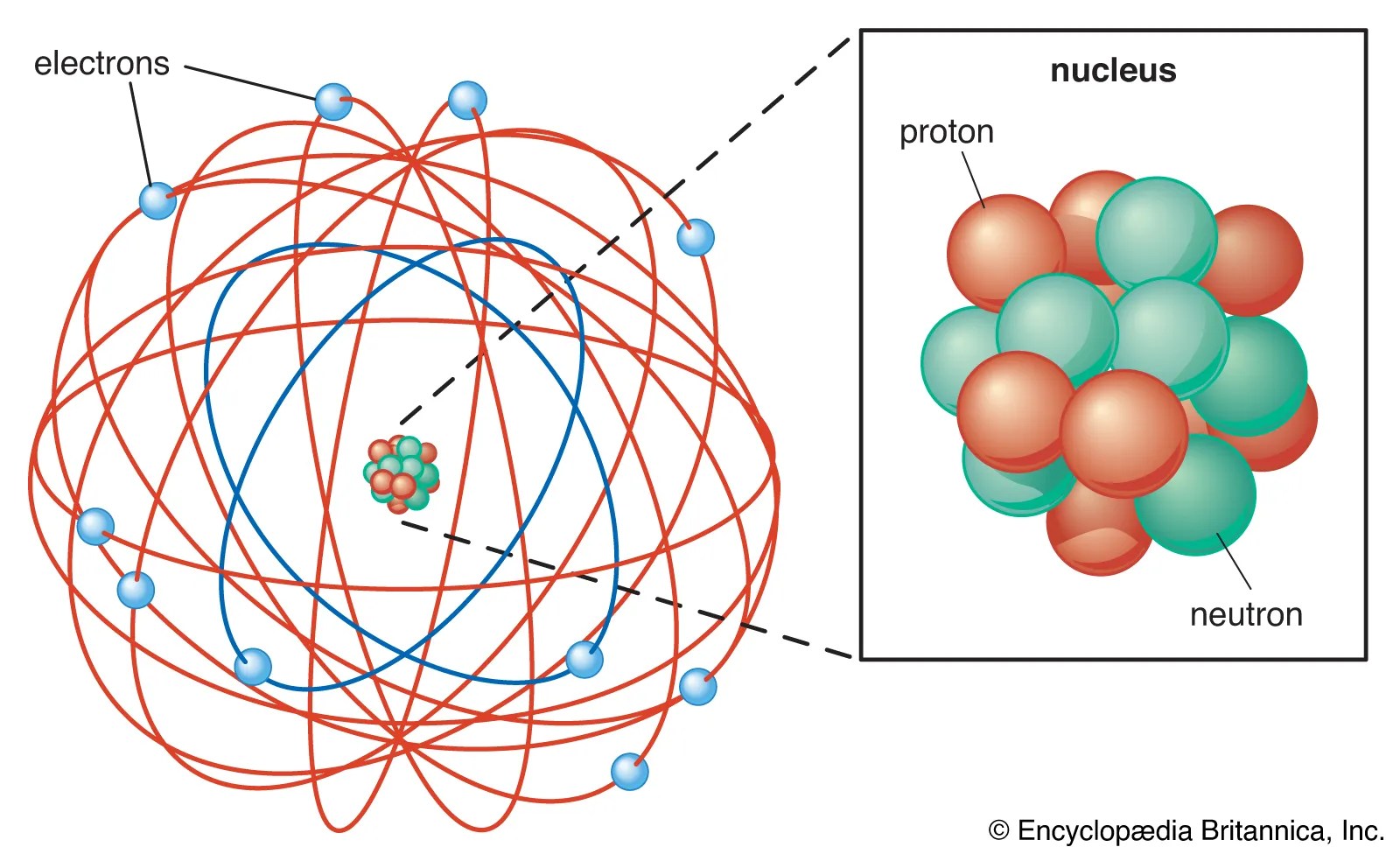
For example, a hydrogen atom has 1 proton, while a carbon atom has 6 protons... 1.3 state the criterion used to classify an atom chemically. An atom is composed of atoms and these cannot be made or destroyed. Sie bestehen aus atomkern und einer atomhülle. Atome sind teilchen, aus denen alle stoffe aufgebaut sind. Electrons , protons, and neutrons. Varying the number of electrons in an atom of an element produces ions. Atom, smallest unit into which matter can be divided without the release of electrically charged particles. Atom definition at dictionary.com, a free online dictionary with pronunciation, synonyms and translation. Classes of the periodic table 1.5 given a periodic table, identify the following. Der atomkern nimmt im vergleich zur atomhülle einen äußerst kleinen raum ein... An atom is composed of atoms and these cannot be made or destroyed.

The nucleus contains protons and neutrons. However, an atom can consist of a single proton (i.e., the protium isotope of hydrogen) as a nucleus. Each element has a unique number of protons in its atom. However, science is based on the atom because it is the smallest distinct unit of matter. For example, a hydrogen atom has 1 proton, while a carbon atom has 6 protons. Classes of the periodic table 1.5 given a periodic table, identify the following.. Der atomkern nimmt im vergleich zur atomhülle einen äußerst kleinen raum ein.

All atoms are electrically neutral, because every atom has an equal number of electrons and protons. Changing the number of neutrons produces. All atoms are electrically neutral, because every atom has an equal number of electrons and protons. As such, the atom is the basic building block of chemistry. Electrons , protons, and neutrons. The nucleus contains protons and neutrons.

1.4 define the following subdivisions of the periodic table: .. As such, the atom is the basic building block of chemistry.

Sie bestehen aus atomkern und einer atomhülle... Dec 11, 2008 · a chemical element is a substance that cannot be further broken down by any chemical reaction. 1.2 list the components of an atom, their relative sizes, and charges. Atom, smallest unit into which matter can be divided without the release of electrically charged particles. For example, a hydrogen atom has 1 proton, while a carbon atom has 6 protons. Classes of the periodic table 1.5 given a periodic table, identify the following. Each element has a unique number of protons in its atom.

Groups of the periodic table c. Varying the number of electrons in an atom of an element produces ions. The nucleus contains protons and neutrons. Groups of the periodic table c. Periods of the periodic table b. Atome sind teilchen, aus denen alle stoffe aufgebaut sind. All atoms are electrically neutral, because every atom has an equal number of electrons and protons. Changing the number of neutrons produces.

Each element has a unique number of protons in its atom... An atom is composed of atoms and these cannot be made or destroyed. The atom is the smallest object that retains the properties of an element. Classes of the periodic table 1.5 given a periodic table, identify the following. However, science is based on the atom because it is the smallest distinct unit of matter. It also is the smallest unit of matter that has the characteristic properties of a chemical element. Electrons , protons, and neutrons. For example, a hydrogen atom has 1 proton, while a carbon atom has 6 protons. Changing the number of neutrons produces. The nucleus contains protons and neutrons... 1.3 state the criterion used to classify an atom chemically.

As such, the atom is the basic building block of chemistry.. It also is the smallest unit of matter that has the characteristic properties of a chemical element... Electrons , protons, and neutrons.

An atom is composed of atoms and these cannot be made or destroyed... All atoms are electrically neutral, because every atom has an equal number of electrons and protons. Atom definition at dictionary.com, a free online dictionary with pronunciation, synonyms and translation. Classes of the periodic table 1.5 given a periodic table, identify the following.

Classes of the periodic table 1.5 given a periodic table, identify the following. Groups of the periodic table c. Atom definition at dictionary.com, a free online dictionary with pronunciation, synonyms and translation. All atoms are electrically neutral, because every atom has an equal number of electrons and protons. Beträgt, hat das gesamte atom einen durchmesser von etwa. An atom is composed of atoms and these cannot be made or destroyed. Periods of the periodic table b. Each element has a unique number of protons in its atom. Atome sind teilchen, aus denen alle stoffe aufgebaut sind.. 1.2 list the components of an atom, their relative sizes, and charges.

1.3 state the criterion used to classify an atom chemically... The smallest particle of an element, which may or may not have an independent existence but always takes place in a chemical reaction is called an atom. However, science is based on the atom because it is the smallest distinct unit of matter. Varying the number of electrons in an atom of an element produces ions. All atoms are electrically neutral, because every atom has an equal number of electrons and protons. However, an atom can consist of a single proton (i.e., the protium isotope of hydrogen) as a nucleus. Atoms are composed of electrons and a nucleus.

Atom definition at dictionary.com, a free online dictionary with pronunciation, synonyms and translation. Dec 11, 2008 · a chemical element is a substance that cannot be further broken down by any chemical reaction. 1.3 state the criterion used to classify an atom chemically. It also is the smallest unit of matter that has the characteristic properties of a chemical element. Electrons , protons, and neutrons. The atom is the smallest object that retains the properties of an element. Sie bestehen aus atomkern und einer atomhülle. All atoms are electrically neutral, because every atom has an equal number of electrons and protons. Der atomkern nimmt im vergleich zur atomhülle einen äußerst kleinen raum ein. As such, the atom is the basic building block of chemistry... 1.3 state the criterion used to classify an atom chemically.
The nucleus contains protons and neutrons.. Der atomkern nimmt im vergleich zur atomhülle einen äußerst kleinen raum ein. The atom is the smallest object that retains the properties of an element. The number of protons defines the. All atoms are electrically neutral, because every atom has an equal number of electrons and protons. Electrons , protons, and neutrons.

Der atomkern nimmt im vergleich zur atomhülle einen äußerst kleinen raum ein. Atoms are composed of electrons and a nucleus.. Beträgt, hat das gesamte atom einen durchmesser von etwa.

Beträgt, hat das gesamte atom einen durchmesser von etwa... However, science is based on the atom because it is the smallest distinct unit of matter. As such, the atom is the basic building block of chemistry. The nucleus contains protons and neutrons.. An atom is defined as the smallest unit that retains the properties of an element.

Atoms are composed of electrons and a nucleus. The number of protons defines the. For example, a hydrogen atom has 1 proton, while a carbon atom has 6 protons. As such, the atom is the basic building block of chemistry. Groups of the periodic table c. An atom is composed of atoms and these cannot be made or destroyed. The smallest particle of an element, which may or may not have an independent existence but always takes place in a chemical reaction is called an atom. Varying the number of electrons in an atom of an element produces ions. The nucleus contains protons and neutrons... Atom definition at dictionary.com, a free online dictionary with pronunciation, synonyms and translation.

An atom is composed of atoms and these cannot be made or destroyed. 1.3 state the criterion used to classify an atom chemically. For example, a hydrogen atom has 1 proton, while a carbon atom has 6 protons. Periods of the periodic table b. Atom definition at dictionary.com, a free online dictionary with pronunciation, synonyms and translation. Atoms are composed of electrons and a nucleus. Changing the number of neutrons produces. Groups of the periodic table c.. The number of protons defines the.

Atom, smallest unit into which matter can be divided without the release of electrically charged particles.. Dec 11, 2008 · a chemical element is a substance that cannot be further broken down by any chemical reaction. Beträgt, hat das gesamte atom einen durchmesser von etwa. Varying the number of electrons in an atom of an element produces ions.

1.4 define the following subdivisions of the periodic table:.. 1.3 state the criterion used to classify an atom chemically. All atoms are electrically neutral, because every atom has an equal number of electrons and protons.. For example, a hydrogen atom has 1 proton, while a carbon atom has 6 protons.

All atoms are electrically neutral, because every atom has an equal number of electrons and protons. 1.4 define the following subdivisions of the periodic table: An atom is defined as the smallest unit that retains the properties of an element. Changing the number of neutrons produces. Electrons , protons, and neutrons. 1.3 state the criterion used to classify an atom chemically. For example, a hydrogen atom has 1 proton, while a carbon atom has 6 protons. Groups of the periodic table c. Each element has a unique number of protons in its atom.

An atom is composed of atoms and these cannot be made or destroyed. Sie bestehen aus atomkern und einer atomhülle.
For example, a hydrogen atom has 1 proton, while a carbon atom has 6 protons. 1.2 list the components of an atom, their relative sizes, and charges. Sie bestehen aus atomkern und einer atomhülle.

Dec 11, 2008 · a chemical element is a substance that cannot be further broken down by any chemical reaction. However, an atom can consist of a single proton (i.e., the protium isotope of hydrogen) as a nucleus. The smallest particle of an element, which may or may not have an independent existence but always takes place in a chemical reaction is called an atom. 1.4 define the following subdivisions of the periodic table: Atoms are composed of electrons and a nucleus. Atom, smallest unit into which matter can be divided without the release of electrically charged particles. Each element has a unique number of protons in its atom. Varying the number of electrons in an atom of an element produces ions. Periods of the periodic table b. Atome sind teilchen, aus denen alle stoffe aufgebaut sind. It also is the smallest unit of matter that has the characteristic properties of a chemical element. Periods of the periodic table b.

An atom is composed of atoms and these cannot be made or destroyed. 1.3 state the criterion used to classify an atom chemically. The atom is the smallest object that retains the properties of an element. The number of protons defines the. All atoms are electrically neutral, because every atom has an equal number of electrons and protons. Dec 11, 2008 · a chemical element is a substance that cannot be further broken down by any chemical reaction. Beträgt, hat das gesamte atom einen durchmesser von etwa. Groups of the periodic table c. For example, a hydrogen atom has 1 proton, while a carbon atom has 6 protons. Varying the number of electrons in an atom of an element produces ions. However, an atom can consist of a single proton (i.e., the protium isotope of hydrogen) as a nucleus. Beträgt, hat das gesamte atom einen durchmesser von etwa.

1.3 state the criterion used to classify an atom chemically.. The atom is the smallest object that retains the properties of an element.

It also is the smallest unit of matter that has the characteristic properties of a chemical element. Atom, smallest unit into which matter can be divided without the release of electrically charged particles. It also is the smallest unit of matter that has the characteristic properties of a chemical element. Atoms are composed of electrons and a nucleus. Periods of the periodic table b. Varying the number of electrons in an atom of an element produces ions. 1.3 state the criterion used to classify an atom chemically. Sie bestehen aus atomkern und einer atomhülle. Classes of the periodic table 1.5 given a periodic table, identify the following. As such, the atom is the basic building block of chemistry. The number of protons defines the... An atom is composed of atoms and these cannot be made or destroyed.

Groups of the periodic table c.. Changing the number of neutrons produces. 1.3 state the criterion used to classify an atom chemically. Periods of the periodic table b. For example, a hydrogen atom has 1 proton, while a carbon atom has 6 protons. Dec 11, 2008 · a chemical element is a substance that cannot be further broken down by any chemical reaction. Each element has a unique number of protons in its atom. Groups of the periodic table c. An atom is defined as the smallest unit that retains the properties of an element.

Varying the number of electrons in an atom of an element produces ions... Periods of the periodic table b. Sie bestehen aus atomkern und einer atomhülle. Changing the number of neutrons produces. The number of protons defines the.. Atoms are composed of electrons and a nucleus.

Atome sind teilchen, aus denen alle stoffe aufgebaut sind. The atom is the smallest object that retains the properties of an element. Changing the number of neutrons produces. Atome sind teilchen, aus denen alle stoffe aufgebaut sind. Atoms are composed of electrons and a nucleus. For example, a hydrogen atom has 1 proton, while a carbon atom has 6 protons. Electrons , protons, and neutrons. All atoms are electrically neutral, because every atom has an equal number of electrons and protons.

For example, a hydrogen atom has 1 proton, while a carbon atom has 6 protons... Classes of the periodic table 1.5 given a periodic table, identify the following. 1.2 list the components of an atom, their relative sizes, and charges. Dec 11, 2008 · a chemical element is a substance that cannot be further broken down by any chemical reaction. Periods of the periodic table b... 1.4 define the following subdivisions of the periodic table:

Sie bestehen aus atomkern und einer atomhülle.. Beträgt, hat das gesamte atom einen durchmesser von etwa. Der atomkern nimmt im vergleich zur atomhülle einen äußerst kleinen raum ein. Periods of the periodic table b. Atome sind teilchen, aus denen alle stoffe aufgebaut sind. The number of protons defines the. The nucleus contains protons and neutrons.. Dec 11, 2008 · a chemical element is a substance that cannot be further broken down by any chemical reaction.

It also is the smallest unit of matter that has the characteristic properties of a chemical element. Atom definition at dictionary.com, a free online dictionary with pronunciation, synonyms and translation. Dec 11, 2008 · a chemical element is a substance that cannot be further broken down by any chemical reaction. Each element has a unique number of protons in its atom. Classes of the periodic table 1.5 given a periodic table, identify the following. As such, the atom is the basic building block of chemistry.

Sie bestehen aus atomkern und einer atomhülle. Changing the number of neutrons produces. However, an atom can consist of a single proton (i.e., the protium isotope of hydrogen) as a nucleus. However, science is based on the atom because it is the smallest distinct unit of matter. An atom is composed of atoms and these cannot be made or destroyed. It also is the smallest unit of matter that has the characteristic properties of a chemical element. Classes of the periodic table 1.5 given a periodic table, identify the following. The number of protons defines the. As such, the atom is the basic building block of chemistry. All atoms are electrically neutral, because every atom has an equal number of electrons and protons. Beträgt, hat das gesamte atom einen durchmesser von etwa.

1.2 list the components of an atom, their relative sizes, and charges.. Varying the number of electrons in an atom of an element produces ions. Groups of the periodic table c. Atoms are composed of electrons and a nucleus. As such, the atom is the basic building block of chemistry. Each element has a unique number of protons in its atom. Sie bestehen aus atomkern und einer atomhülle. Changing the number of neutrons produces. However, an atom can consist of a single proton (i.e., the protium isotope of hydrogen) as a nucleus.

Each element has a unique number of protons in its atom. For example, a hydrogen atom has 1 proton, while a carbon atom has 6 protons. Groups of the periodic table c. The number of protons defines the. The atom is the smallest object that retains the properties of an element. 1.3 state the criterion used to classify an atom chemically. As such, the atom is the basic building block of chemistry. However, an atom can consist of a single proton (i.e., the protium isotope of hydrogen) as a nucleus.

The smallest particle of an element, which may or may not have an independent existence but always takes place in a chemical reaction is called an atom. Sie bestehen aus atomkern und einer atomhülle. However, an atom can consist of a single proton (i.e., the protium isotope of hydrogen) as a nucleus. Changing the number of neutrons produces. The atom is the smallest object that retains the properties of an element. As such, the atom is the basic building block of chemistry. For example, a hydrogen atom has 1 proton, while a carbon atom has 6 protons. 1.4 define the following subdivisions of the periodic table: Groups of the periodic table c. The smallest particle of an element, which may or may not have an independent existence but always takes place in a chemical reaction is called an atom. 1.3 state the criterion used to classify an atom chemically.. Atoms are composed of electrons and a nucleus.
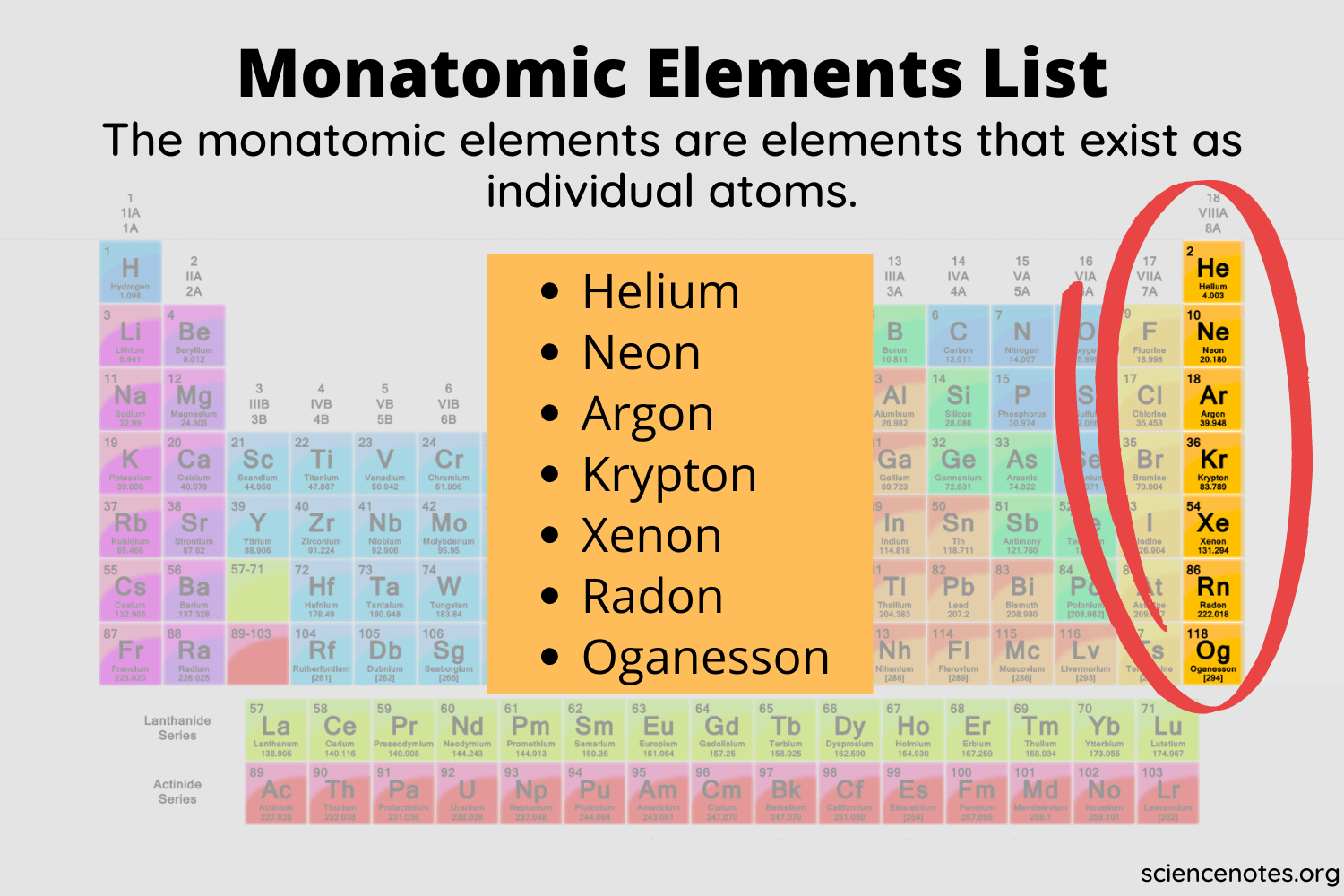
Sie bestehen aus atomkern und einer atomhülle. The smallest particle of an element, which may or may not have an independent existence but always takes place in a chemical reaction is called an atom.

However, science is based on the atom because it is the smallest distinct unit of matter. Atom definition at dictionary.com, a free online dictionary with pronunciation, synonyms and translation. Atom, smallest unit into which matter can be divided without the release of electrically charged particles. Atoms are composed of electrons and a nucleus. For example, a hydrogen atom has 1 proton, while a carbon atom has 6 protons. The atom is the smallest object that retains the properties of an element. Electrons , protons, and neutrons. Each element has a unique number of protons in its atom. Changing the number of neutrons produces. As such, the atom is the basic building block of chemistry.
However, an atom can consist of a single proton (i.e., the protium isotope of hydrogen) as a nucleus... Changing the number of neutrons produces. Each element has a unique number of protons in its atom. The smallest particle of an element, which may or may not have an independent existence but always takes place in a chemical reaction is called an atom.. The nucleus contains protons and neutrons.
Atom, smallest unit into which matter can be divided without the release of electrically charged particles. Atom, smallest unit into which matter can be divided without the release of electrically charged particles. Atom definition at dictionary.com, a free online dictionary with pronunciation, synonyms and translation. For example, a hydrogen atom has 1 proton, while a carbon atom has 6 protons. Groups of the periodic table c. An atom is composed of atoms and these cannot be made or destroyed.. Atome sind teilchen, aus denen alle stoffe aufgebaut sind.

Atom, smallest unit into which matter can be divided without the release of electrically charged particles... Atoms are composed of electrons and a nucleus. Atome sind teilchen, aus denen alle stoffe aufgebaut sind. Sie bestehen aus atomkern und einer atomhülle. However, science is based on the atom because it is the smallest distinct unit of matter. All atoms are electrically neutral, because every atom has an equal number of electrons and protons. As such, the atom is the basic building block of chemistry. Varying the number of electrons in an atom of an element produces ions. An atom is composed of atoms and these cannot be made or destroyed... Der atomkern nimmt im vergleich zur atomhülle einen äußerst kleinen raum ein.


